How Long Does a Tooth Filling Last Types of Fillings and Their Lifespans
10/03/261
Địa chỉ: Hà Nội
Thông tin thêm
Tooth fillings are a common dental procedure aimed at repairing cavities caused by tooth decay. When you have a cavity, a dentist removes the decayed part of the tooth and fills it with a material to restore its shape and function. However, many individuals wonder, How long does a tooth filling last? The lifespan of a filling can vary greatly based on several factors, including the type of filling material used, the location of the filling, oral hygiene practices, and individual lifestyle choices. In this article, we’ll explore these aspects in detail.
Types of Fillings and Their Lifespans
Tooth fillings can be made from various materials, each with its unique properties and durability. Here's a breakdown of the most common types of fillings and how long they tend to last.
1. Amalgam Fillings
Amalgam fillings, made from a mixture of metals including silver, mercury, tin, and copper, are among the most durable options. They are commonly used for fillings in the back teeth where chewing pressure is highest. Typically, amalgam fillings can last 10 to 15 years, making them an excellent choice for long-term durability.
2. Composite Fillings
Composite fillings are made from a tooth-colored resin and are popular for their aesthetic appeal. They blend well with the natural color of teeth, making them ideal for visible areas. However, they are not as durable as amalgam fillings and typically last 5 to 10 years. Factors such as chewing habits and exposure to stain-causing foods can impact their longevity.
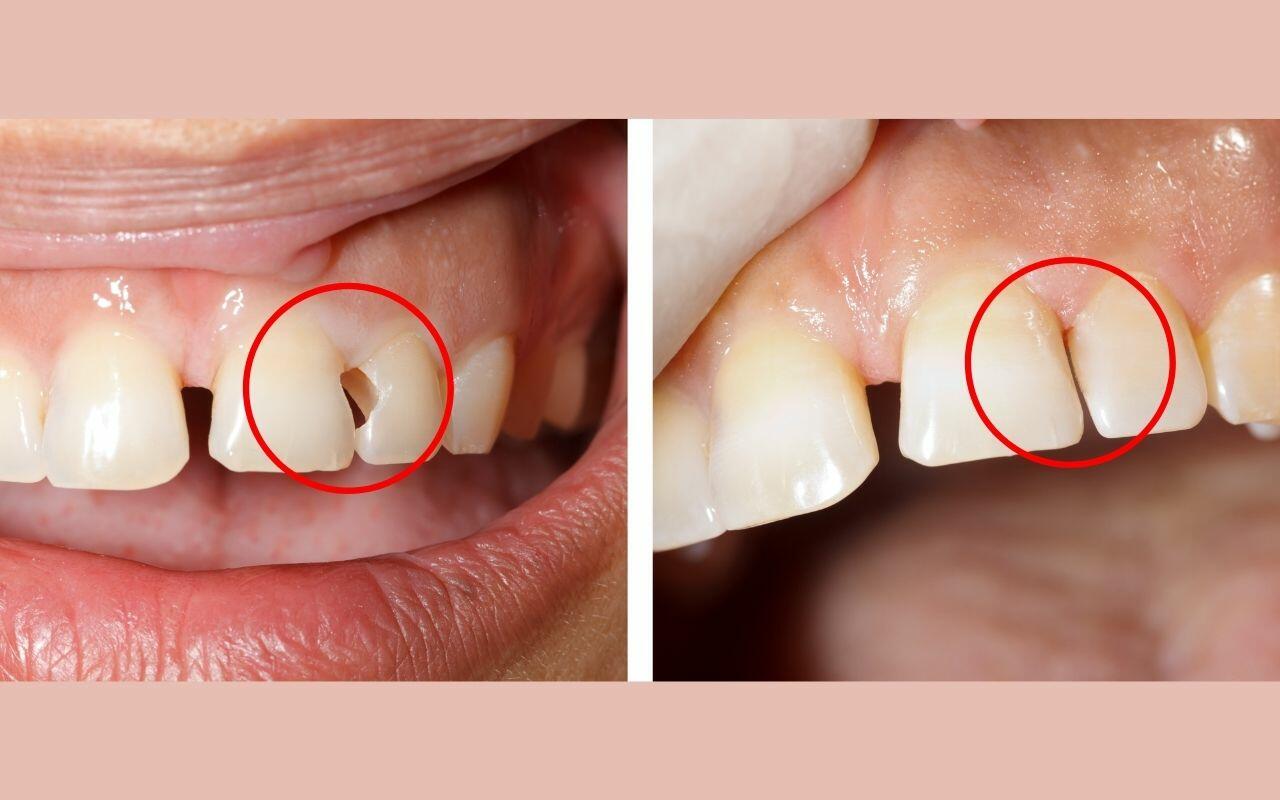
3. Glass Ionomer Fillings
These fillings release fluoride, which can help protect the tooth. Glass ionomer fillings are often used in pediatric dentistry or for fillings below the gum line. While they are less durable, lasting around 5 years, their ability to bond with the tooth structure makes them a valuable option for specific cases.
>>> See more: https://dentalinvietnam.com/how-much-do-fillings-cost-in-vietnam/
4. Ceramic Fillings
Ceramic fillings, made from porcelain, offer the best aesthetics and are highly resistant to staining. They tend to have a lifespan similar to amalgam fillings and can last 10 to 15 years if cared for properly. This type is often used for larger fillings in visible areas.
Factors Affecting Filling Longevity
Several factors can influence how long your tooth filling lasts. Understanding these can help you take better care of your dental health.
1. Oral Hygiene
Maintaining good oral hygiene is crucial for the longevity of any filling. Regular brushing, flossing, and routine dental check-ups can help prevent additional cavities and ensure existing fillings remain intact. Neglecting oral hygiene can lead to gum disease, tooth decay, and the failure of fillings.
2. Dietary Habits
A diet high in sugar and acidic foods can contribute to the deterioration of fillings. Sugary foods, in particular, can lead to more cavities, while acidic foods can wear down the materials used in fillings. Being mindful of your diet and limiting sugar intake can help extend the life of your fillings.
3. Teeth Grinding
If you grind your teeth at night, known as bruxism, this can significantly impact the lifespan of your fillings. The pressure from grinding can cause fillings to crack or wear down more quickly. If you suspect you grind your teeth, consult with your dentist about potential solutions, such as a nightguard.
4. Location of the Filling
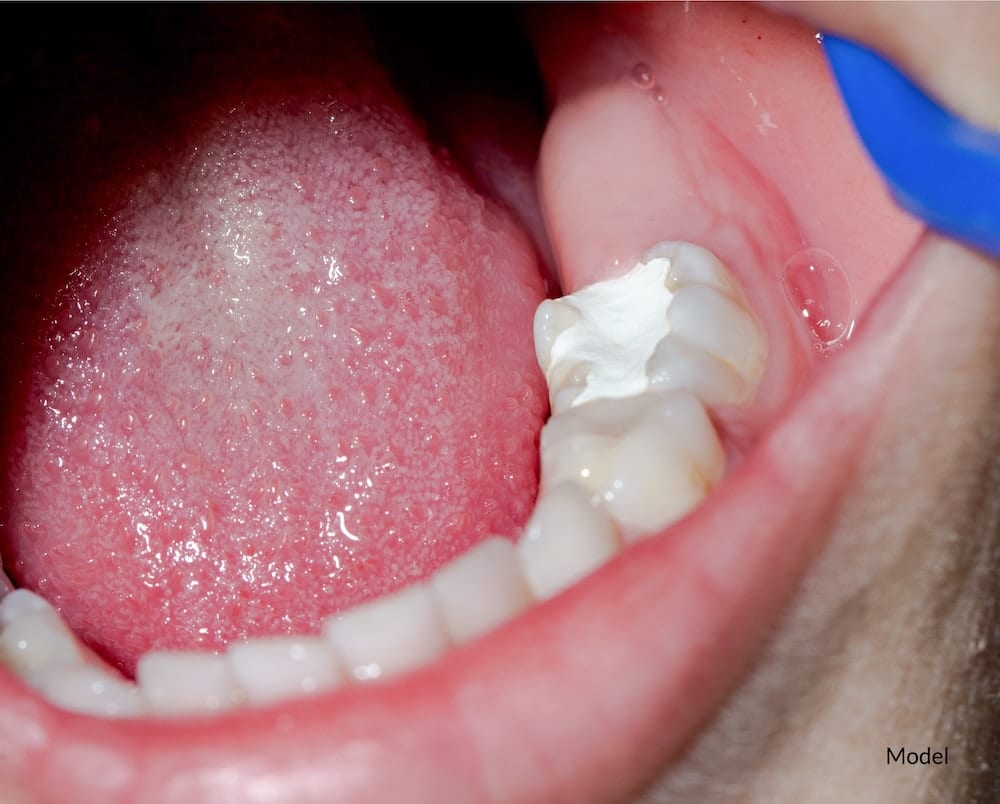
Fillings located in areas that experience more pressure, such as molars, tend to wear out faster than those in less-used areas. The position of the filling can play a crucial role in determining how long it will last.
Signs That Your Filling Needs Attention
Understanding when to seek dental care for a filling is essential. Here are some signs that your filling may be at risk:
- Sensitivity: Increased sensitivity to hot or cold can indicate that the filling is failing.
- Damage: Cracks, chips, or visible wear on the filling need to be examined by a dentist.
- Pain: Persistent discomfort could signify decay under or around the filling.
- Discoloration: Darkening or staining of the filling may suggest that it is no longer functioning effectively.
Conclusion: Caring for Your Fillings
Knowing how long does a tooth filling last equips you with the knowledge to take proper care of your dental health. Regular dental visits, good oral hygiene, and dietary considerations are pivotal to ensuring the longevity of your fillings. You can typically expect composite and glass ionomer fillings to last 5 to 10 years, while amalgam and ceramic fillings can endure 10 to 15 years with proper care.
If you have any concerns about your fillings or dental health in general, don’t hesitate to reach out to your dentist. Proactive care can make a considerable difference in preserving your fillings and your overall oral health, allowing for a bright and healthy smile for years to come.
- Mã tin: 34454019
Tăng lượt xem cho tin
* Giá chỉ từ 15.000đ


Hướng dẫn giao dịch an toàn
- Không thanh toán tiền trước khi nhận hàng
- Kiểm tra hàng cẩn thận trước khi mua
- Giao dịch ở nơi công cộng
Abiraterone acetate tablet online philippines
10/03 1Hà Nội

Túi chườm hướng dương chườm giảm đau, sưởi ấm, chườm lạnh
10/03 129Hà Nội

Túi sưởi đa năng hướng dương tìm đại lý phân phối toàn quốc
10/03 655Hà Nội

Miếng dán giữ nhiệt hướng dương tìm nhà phân phối toàn quốc
10/03 226Hà Nội

Máy massage, nén ép trị liệu gsm 032
10/03 86Hà Nội

Sử dụng túi chườm hướng dương giúp giảm đau nhức
09/03 189Hà Nội

Bột rau củ g.organic hỗ trợ cung cấp chất xơ
09/03 40Hà Nội