
After Botox Care: What to Do in the First 24 48 Hours
24/03/262
Địa chỉ: TP HCM
Thông tin thêm
The first 24–48 hours after Botox are critical for ensuring optimal results and minimizing side effects like bruising, swelling, or unwanted diffusion. Following evidence‑based aftercare steps helps the neurotoxin settle into the intended muscles and reduces the chance of complications. This guide outlines practical, expert‑recommended actions to take immediately after treatment and during the first two days.
Stay Upright for 1–4 Hours
Remain seated or standing for at least 1–4 hours after your injections. Staying upright reduces the risk of Botox migrating away from the target muscle and is a simple, effective precaution recommended by many clinicians.
https://aestheticsurgeryvietnam.com/what-to-do-after-botox
Avoid Touching or Rubbing Injection Sites
Do not touch, rub, press, or massage the treated areas for at least 6–24 hours. Manipulating the injection sites can spread the product to neighboring muscles and increase bruising. If you must apply skincare or makeup, do so gently without applying pressure to injection points.
Use Cold Compresses for Comfort and Swelling
If you experience tenderness or mild swelling, apply a clean cold pack wrapped in a thin cloth intermittently (10–15 minutes at a time) during the first 24 hours. Cold reduces inflammation and can limit bruise size. Avoid prolonged direct ice contact to prevent skin damage.
Avoid Strenuous Exercise and Heavy Lifting
Postpone vigorous exercise, high‑intensity workouts, heavy lifting, and activities that significantly raise blood pressure for 24–48 hours. Increased blood flow can worsen bruising and may promote unintended spread of the neurotoxin. Light walking is usually acceptable unless your provider advises otherwise.
No Alcohol or Blood‑Thinning Medications
Avoid alcohol for 24 hours after treatment—it can increase bleeding and bruising. Also refrain from non‑essential NSAIDs (ibuprofen, aspirin) and supplements that affect clotting (fish oil, vitamin E, ginkgo) for at least 24 hours unless your healthcare provider instructs you otherwise. If you take prescribed blood thinners, follow your physician’s guidance.
Avoid Heat Exposure and Saunas
Skip saunas, hot baths, steam rooms, and tanning beds for 24–48 hours. Heat increases circulation and can exacerbate swelling or bruising in the treated areas. Protect the skin from prolonged sun exposure and use a broad‑spectrum SPF if you need to be outdoors.
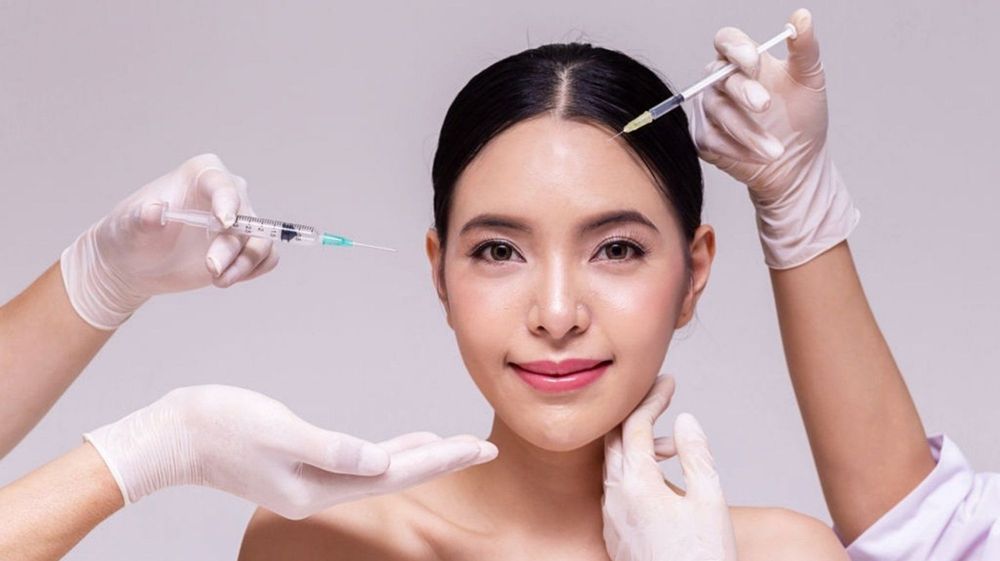
Sleep Position: Keep Your Head Elevated
For the first night after treatment, sleep with your head slightly elevated (use an extra pillow) to reduce overnight facial swelling. Avoid pressing your face into the pillow or sleeping on the treated area to prevent mechanical pressure on injection sites.
Medications and Pain Management
If you experience discomfort, acetaminophen (paracetamol) is generally safe and preferred over NSAIDs in the immediate post‑treatment period. Only take medications approved by your injector. Discuss any routine supplements you take with your provider—some may increase bleeding risk and might be temporarily paused.
When to Apply Makeup
You can usually apply light makeup after the skin is clean and dry, but avoid heavy pressure over fresh puncture sites. If you have active bleeding or open punctures, wait until the area has stopped bleeding and been appropriately cleaned. Always use clean applicators to reduce infection risk.
Monitor for Bruising and How to Manage It
Bruising is common but typically mild. Continue cold compresses in the first 24 hours, then consider switching to gentle warmth after 48 hours to promote clearance of pooled blood (only if advised by your provider). Topical or oral arnica may help bruise resolution—check with your injector before use.
Know When to Contact Your Provider
Contact your clinician immediately if you notice severe pain, rapidly increasing swelling, signs of infection (redness, warmth, pus), sudden eyelid drooping, changes in vision, or difficulty breathing. These are rare but require prompt attention.
https://aestheticsurgeryvi.wixsite.com/beauty-elevation/post/bruising-after-lip-filler
Follow‑Up and Expectations
Botox typically starts working within 3–7 days and reaches full effect by about two weeks. A two‑week follow‑up appointment allows your provider to assess results and add small, conservative touch‑up units if needed. Results usually last 3–6 months depending on individual factors.
Conclusion
Carefully following these aftercare steps in the first 24–48 hours—staying upright, avoiding rubbing, using cold compresses, skipping strenuous activity and alcohol, protecting from heat, and monitoring for complications—will help you get the best possible Botox outcome. If you’d like, I can prepare a printable 48‑hour aftercare checklist or a brief timeline to bring to your appointment—which would you prefer?
- Mã tin: 34465017
Tăng lượt xem cho tin
* Giá chỉ từ 15.000đ


Hướng dẫn giao dịch an toàn
- Không thanh toán tiền trước khi nhận hàng
- Kiểm tra hàng cẩn thận trước khi mua
- Giao dịch ở nơi công cộng
Màng lọc đĩa 293mm, 142mm
23/04 83TP HCM
Lõi lọc vi sinh ngành dược
23/04 70TP HCM
ống silicon, ống mềm silicon hose, bơm nhu động
23/04 92TP HCM
Nước hồng sâm, nhung huơu, hồng sâm hàn quốc
23/04 75TP HCM
ống nghiệm heparin màu đen, ống nghiệm serum
23/04 60TP HCM
Lọc khung bản, giấy lọc khung bản 400mm x 400mm
23/04 45TP HCM
Vỏ nang rỗng, vỏ nang nhập khẩu, capsules
23/04 46TP HCM